
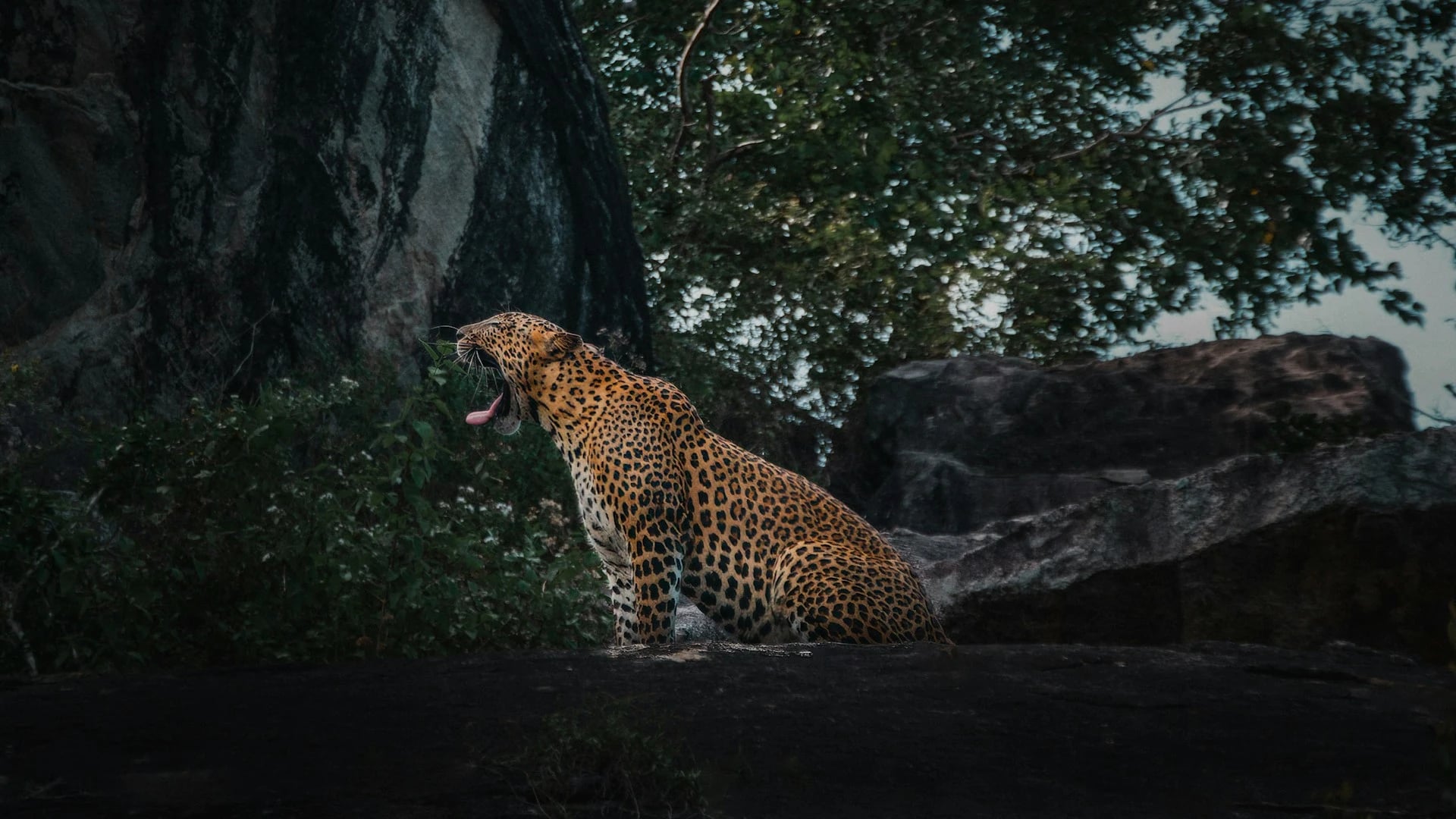





The world's greatest leopard wilderness
Yala National Park is the most celebrated wildlife sanctuary in Sri Lanka — a vast mosaic of dry-zone scrub, open grassland, ancient temple ruins and Indian Ocean coastline that holds the highest density of leopards recorded anywhere on earth, alongside elephants, sloth bears and over 200 bird species.
Leopard Density
World's Highest
Park Blocks
5 Blocks · 979 km²
Elephant Herds
300+ Individuals
From Colombo
300 km · 5.5 hrs
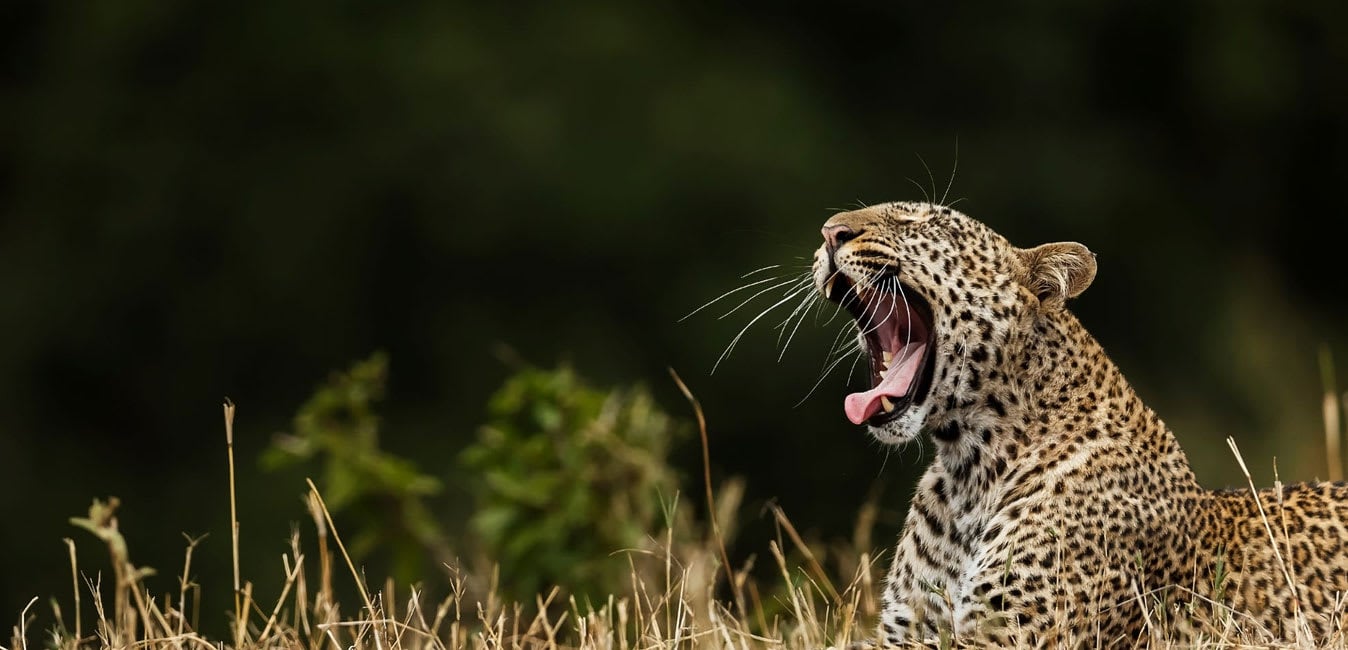
The Highest Leopard Density on Earth
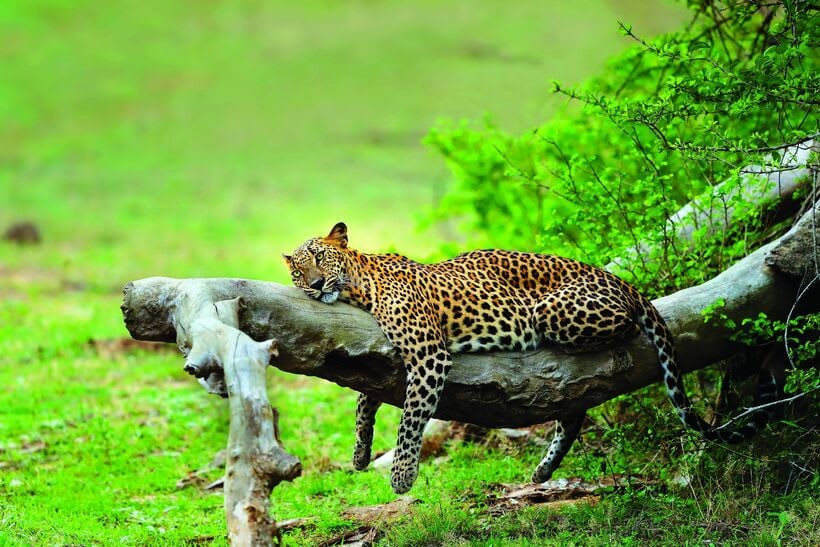
Yala National Park's Block I holds the highest recorded density of leopards anywhere on earth. Unlike leopards elsewhere in Asia, Yala's cats have become accustomed to safari vehicles, allowing close, prolonged observations that wildlife photographers travel from every continent to experience.
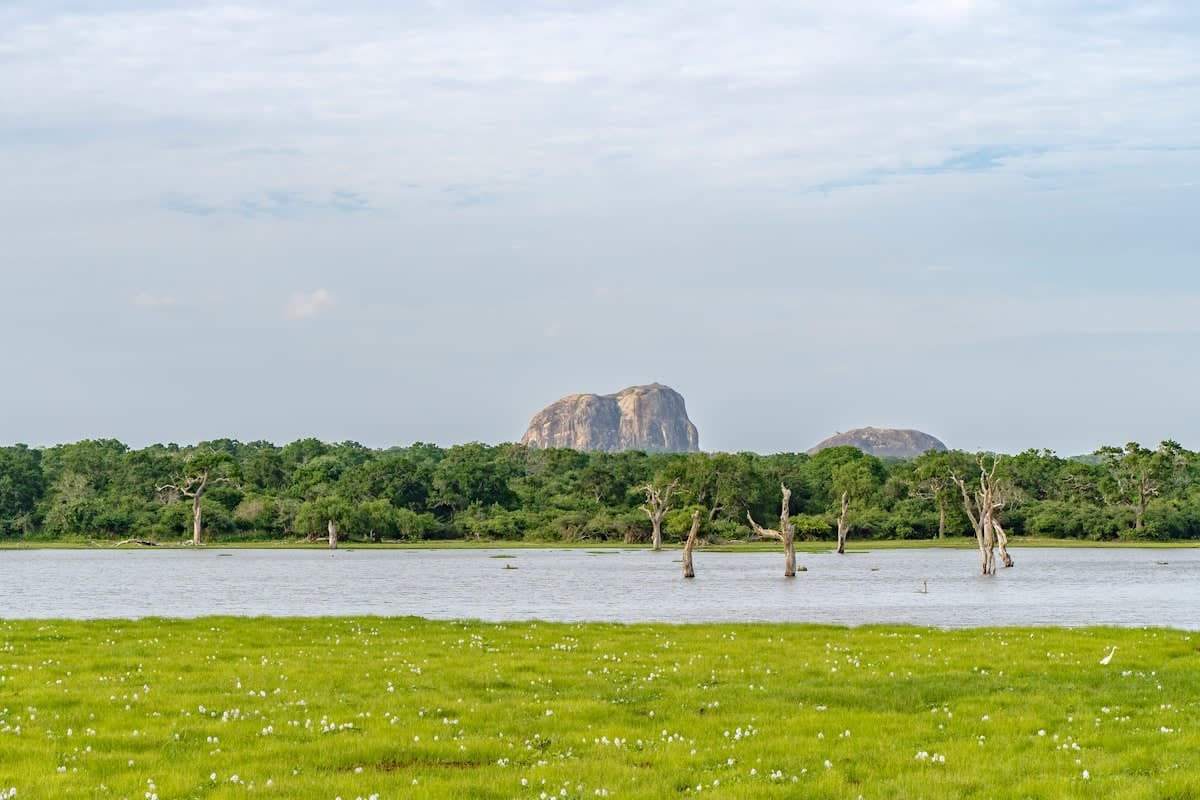
Elephants, Sloth Bears & the Wild Heartland
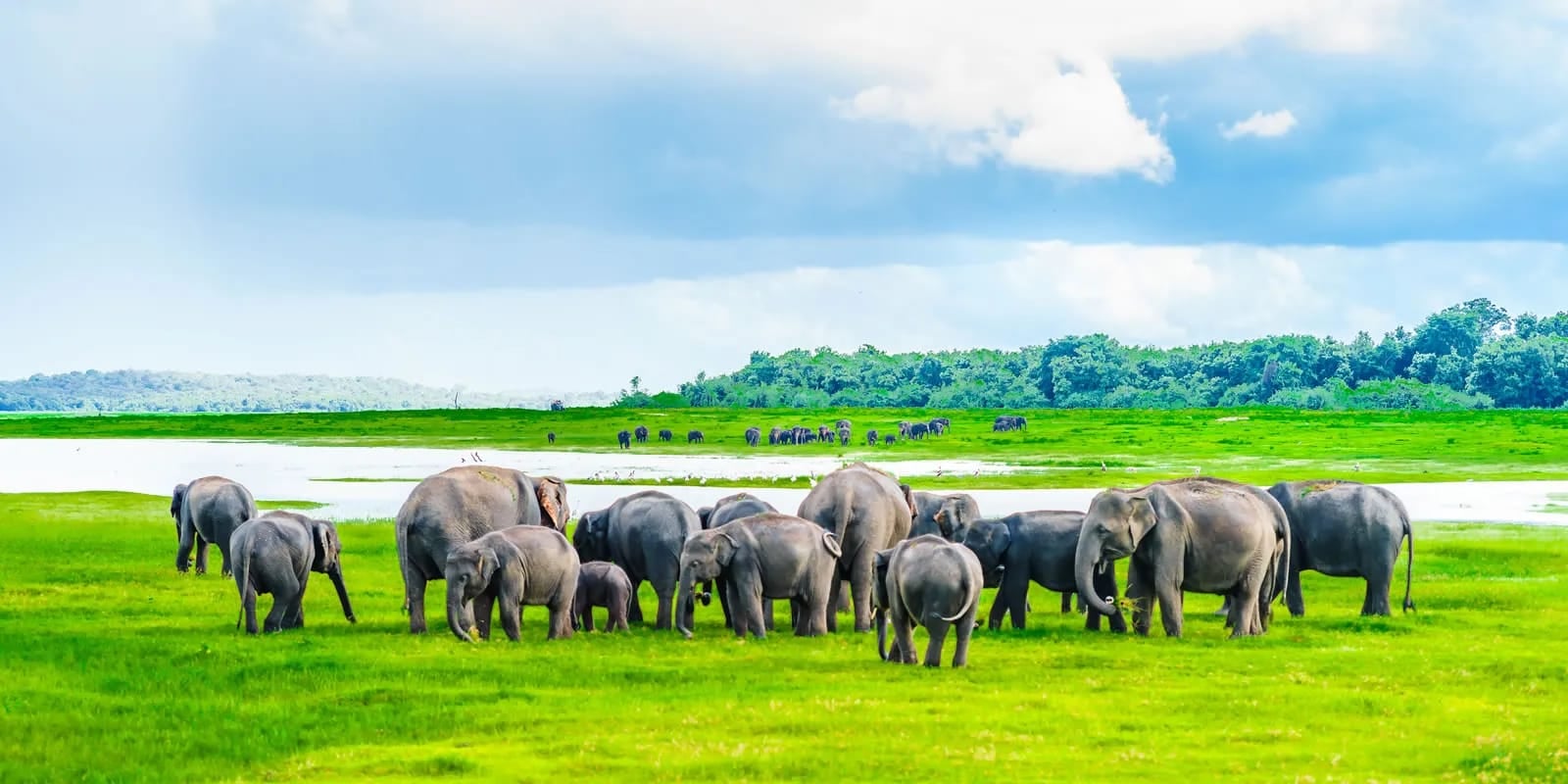
Beyond its leopards, Yala shelters over 300 elephants, healthy populations of sloth bears, water buffalo, spotted deer, sambar, jackals and crocodiles. The meeting of dry-zone scrub, open grassland, coastal lagoons and ancient rock formations creates an extraordinary diversity of habitats within a single park.
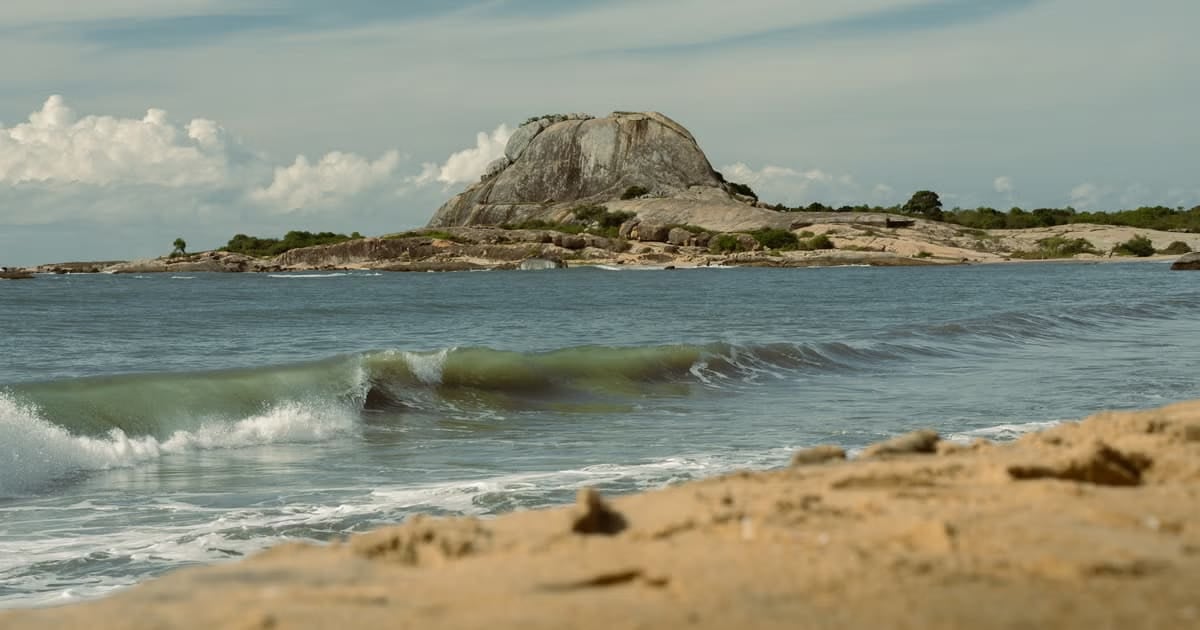
Where the Jungle Meets the Indian Ocean
Yala is one of the few wildlife parks on earth where the jungle meets the sea. The park's southern boundary runs along a dramatic coastline of rocky headlands, sandy beaches and sheltered lagoons where sea turtles nest and elephant herds come down to bathe at sunset.
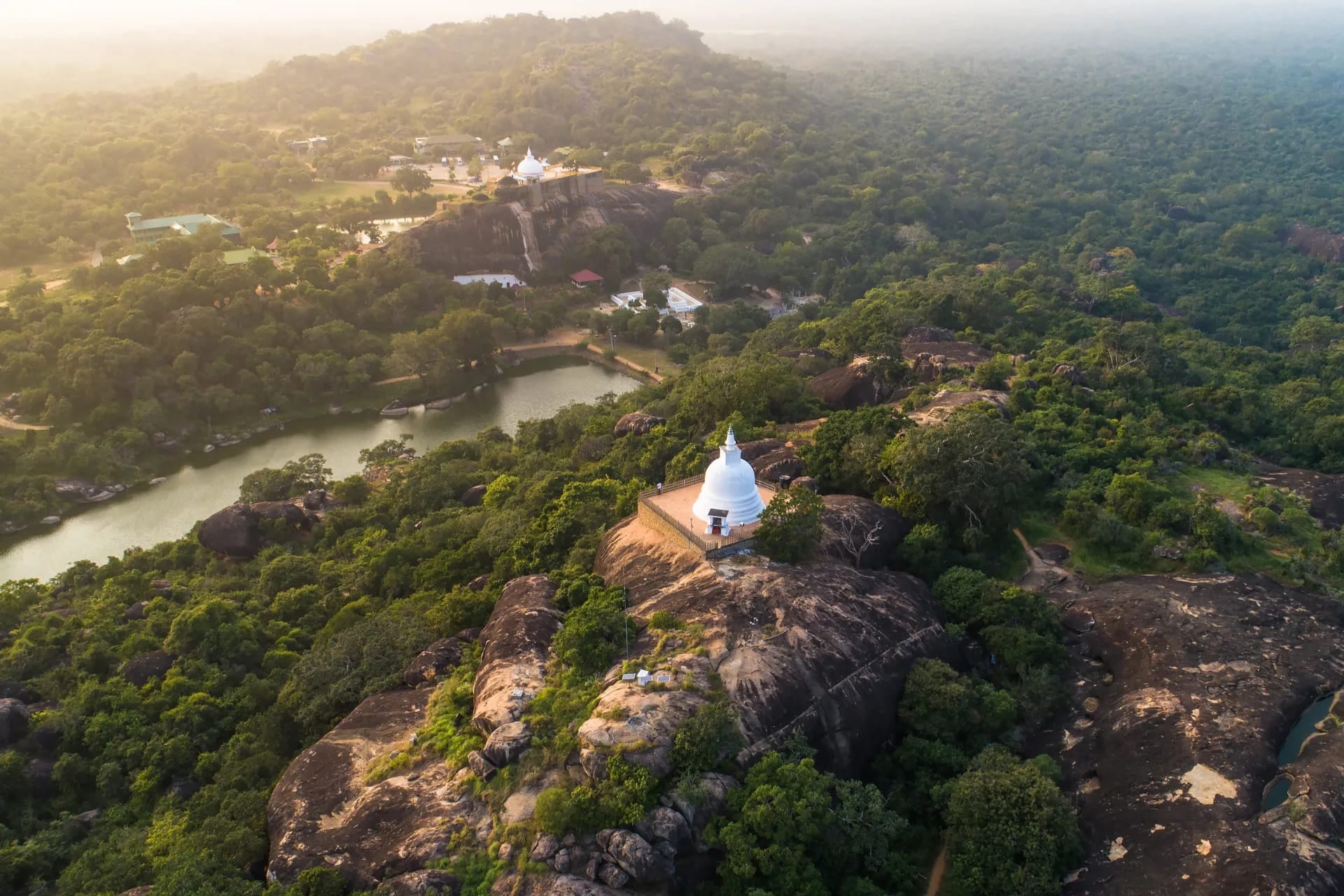
Ancient Temples — 2,000 Years of Sacred History
Scattered through Yala's jungle are the ruins of ancient Buddhist temples used by monks over two millennia ago. The great rock temple of Sithulpawwa rises from the jungle on a dramatic granite outcrop and remains an active place of pilgrimage, adding a profound spiritual dimension to the wildlife experience.
“In Yala, the leopard does not hide from you. It watches you from its boulder with the unhurried authority of a creature that has never needed to fear anything — and in that gaze, something ancient and humbling passes between you.”
The Leopard Capital of the World
No wildlife destination on earth offers more reliable, intimate leopard encounters than Yala's Block I. The park's combination of open scrub, rocky outcrops that leopards favour for resting, and the relatively small area of the most intensively managed block has produced a leopard density estimated at between one and two cats per square kilometre — a figure that staggers wildlife biologists accustomed to much lower densities across Africa and mainland Asia. Yala's leopards have, over generations, become habituated to the presence of safari vehicles. Encounters are often extraordinarily close — a cat resting in full view on a boulder ten metres from the road, a mother carrying a kill through long grass with cubs tumbling alongside, or a dominant male patrolling his territory at dawn with unhurried authority. Experienced trackers know the territories of key individuals and can read fresh pugmarks, alarm calls of spotted deer and the behaviour of other animals to predict where a leopard will surface next. A good guide transforms a safari from a drive into a detective story with the most beautiful conclusion imaginable.
Elephants, Crocodiles & the Coastal Wilderness
Yala's wildlife extends far beyond its famous leopards. The park is home to one of Sri Lanka's largest elephant populations — herds of up to 50 individuals move through the park's five blocks, drinking at the lagoons at dawn and dusk. The coastal lagoons shelter large mugger crocodiles that bask with prehistoric indifference alongside painted storks, spoonbills, pelicans and flamingos wading in the shallows. The sloth bear is regularly sighted, particularly near fruiting trees and termite mounds in the early morning. Water buffalo with massive curved horns graze open grasslands in large herds, and the spotted deer that are their constant companions provide alarm calls that often signal a leopard's presence to alert safari-goers. The park's sea-facing southern boundary adds sea turtles, dolphins visible from the coastal rocks, and the dramatic spectacle of elephants silhouetted against the Indian Ocean at sunset — a scene that belongs on no wildlife documentary but is entirely real.
Ancient Temples in the Jungle
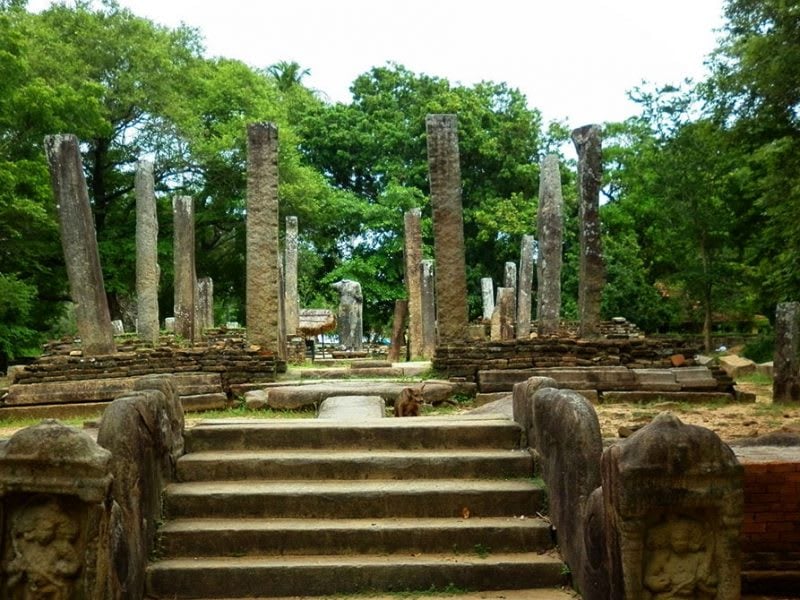
Yala is not only a wildlife sanctuary — it is a landscape layered with two thousand years of human spiritual history. The great rock temple of Sithulpawwa, built in the 2nd century BC, occupies a dramatic granite outcrop rising from the jungle and was once home to a monastic community of over 12,000 bhikkhus. Its caves painted with ancient frescoes and its dagobas carved directly from the living rock are among the most atmospherically situated sacred sites in all of Sri Lanka. The lesser-known Magul Maha Viharaya — a ruined temple complex tradition associates with a royal wedding from 89 BC — sits at the edge of a beautiful lagoon, its stone columns and carved moonstones half-reclaimed by the encroaching jungle. Akasa Chaitiya, perched on a high rock with panoramic views over the entire park to the Indian Ocean horizon, offers one of the most wide vistas in Sri Lanka. Visiting these ancient sites at dawn, before the safari jeeps arrive and with the sounds of the waking jungle all around, is an experience of rare and unexpected power.
Traveller's Notes
Before you visit Yala National Park
Safari Timing
Dawn game drives (depart 5:30 AM, gate opens 6:00 AM) are the most productive for leopard sightings. Evening drives (3:00–6:30 PM) are excellent for elephants at the lagoons. A full-day safari combining both sessions maximises sightings.
Best Season
February to July is peak leopard-sighting season — dry conditions concentrate animals at water sources. The park partially closes during the September–October monsoon. Block I closes annually in September; other blocks may remain open.
Choosing a Block
Block I has the highest leopard density but also the most visitors. Block II and Block V offer a more solitary experience with excellent wildlife. Book a reputable tracker-guide — the quality of guiding makes an enormous difference to sightings.
Where to Stay
Eco-lodges cluster around Tissamaharama and Kirinda near the park entrance. Staying inside the buffer zone dramatically reduces morning drive time. Advance booking is essential February–April; top camps sell out months ahead.
Photography Tips
Bring a telephoto lens of at least 400mm for frame-filling leopard shots. A beanbag for the jeep window replaces a tripod effectively. Shoot in RAW for challenging high-contrast jungle light. Mornings give warm golden light; avoid midday harsh sun.
Combine with History
Visit Sithulpawwa rock temple inside the park, and the nearby Tissamaharama dagoba complex. The ancient city of Kataragama — sacred to Buddhists, Hindus and Muslims — is 20 km from the park entrance and well worth a half-day.
Find Yala
Yala National Park
Southern Province, Sri Lanka · World's Highest Leopard Density
From Colombo
300 km · ~5.5 hrs
Park Area
979 km² (Block I–V)
GPS Coordinates
6.3833° N, 81.5167° E