Pinnawala Elephant Orphanage

Weligama Taxi & Shuttles Number 01

Weligama Taxi & Shuttles Number 01

Hero Banner
Kegalle · Established 1975

A sanctuary for
orphaned elephants

Established in 1975 by the Department of Wildlife Conservation, Pinnawala is home to one of the world's largest captive herds of Asian elephants — orphaned calves, injured adults and animals unable to survive in the wild. The daily routine of bathing, feeding and procession to the Maha Oya river makes Pinnawala one of the most popular and accessible elephant experiences in Sri Lanka.

Daily Schedule

Plan your visit around these moments

8:30 AM

Park Opens

9:15 AM

Morning Feeding

10:00 AM

Morning Bath

1:15 PM

Afternoon Feeding

2:00 PM

Afternoon Bath

5:00 PM

Final Bottle Feeding

5:30 PM

Park Closes

Daily

Open Year-Round

Spectacle

Bath time at the Maha Oya

Routine

Three daily mass feedings

Interactive

Hand-feed an orphaned calf

Procession

Free to watch from the street


10:00 AM & 2:00 PMSpectacleThe Maha Oya bath

Bath Time at the Maha Oya

The defining Pinnawala spectacle — eighty elephants in the river

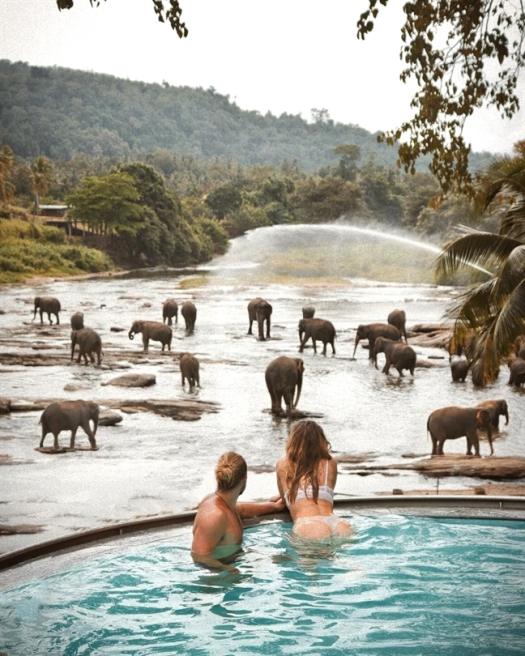
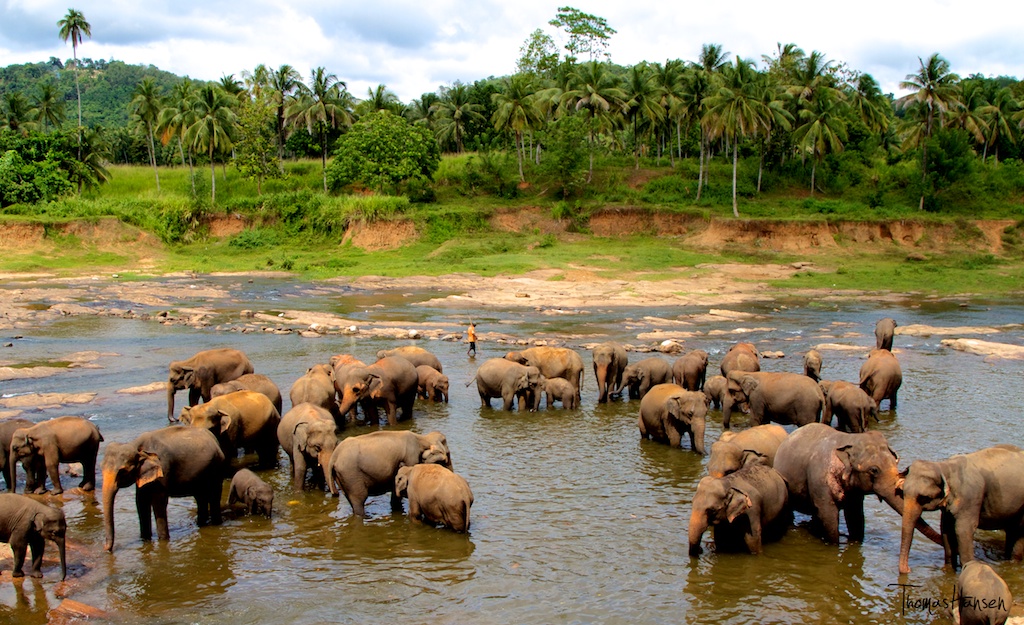
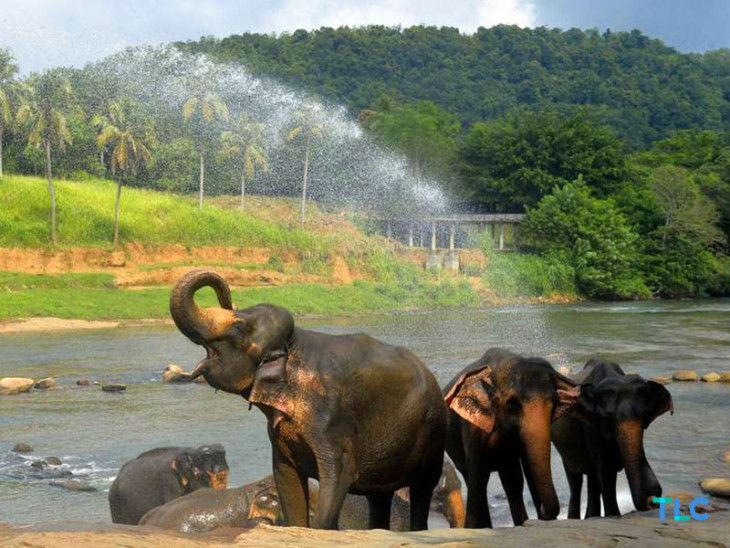
The bathing time begins with the herd's procession from the main orphanage compound, led by the senior keepers and accompanied by the soft, constant rumble of elephant feet on tarmac. Visitors line the village street as the column passes — a moment of extraordinary proximity that lasts perhaps three or four minutes — and then follow the herd down to the river-viewing terraces on the bank of the Maha Oya. Once in the water the elephants disperse along a 200-metre stretch of shallow river: the older animals settle into deep contented stillness, the calves splash and chase each other, the matriarchs supervise the play, and the keepers move among them with brushes and hosed water. The viewing terraces sit slightly above the river, with the riverside cafes and restaurants providing shaded seating and cold drinks throughout the bathing hour. The morning bath (10:00 AM) is generally the better-attended and the warmer in light; the afternoon bath (2:00 PM) tends to be quieter and offers better light for photography from the eastern bank. The full bathing hour is unhurried and can be watched in its entirety from a single seat — there is no need to rush.

Arrive 20 minutes early to claim a riverside cafe table

📷

Afternoon light (2 PM) is softer for photography

Riverside cafes serve drinks and Sri Lankan snacks throughout the hour

🧒

The most memorable hour for children — bring patience and a camera

Bath Time at the Maha Oya
Spectacle
The Maha Oya bath

9:15 AM, 1:15 PM, 5:00 PMRoutineMass feeding

Feeding Times — The Daily Buffet

Hundreds of kilograms of leaves, fruit and palm fronds delivered three times a day

The feeding ground is a covered concrete area roughly the size of a tennis court, located in the heart of the orphanage compound. Before each feeding session, keepers lay out the day's fodder in neat rows — branches stacked in piles, fruit grouped in baskets, supplement feed in wooden tubs — and the herd arrives at a measured pace, each elephant moving to its allocated station. The eating itself is methodical and surprisingly quiet, with the elephants working through the palm fronds branch by branch, stripping the leaves and discarding the woody stems. The keepers move freely among the herd during the feeding, topping up rations and tending to particular animals; at the bottle-feeding section in the corner, the youngest orphans are given milk by hand from large glass bottles. The whole feeding session lasts around 30 to 40 minutes and can be observed from a perimeter walkway that runs around the feeding ground at a comfortable distance. It's the best time of any visit for close, eye-level photography of the herd at rest, and the best opportunity to see the youngest animals up close.

🍌

Visitors can purchase fruit baskets to feed individual elephants

📸

Best opportunity for close-range elephant portraits

🔇

Quieter than bath time — easier with young children or anxious visitors

💵

Feeding fee for hands-on participation is around LKR 1,500

Feeding Times — The Daily Buffet
Routine
Mass feeding

9:15 AM & 1:15 PMInteractiveBottle-feed a calf

The Milk-Bottle Babies

Hand-feed an orphaned calf with a one-litre milk bottle

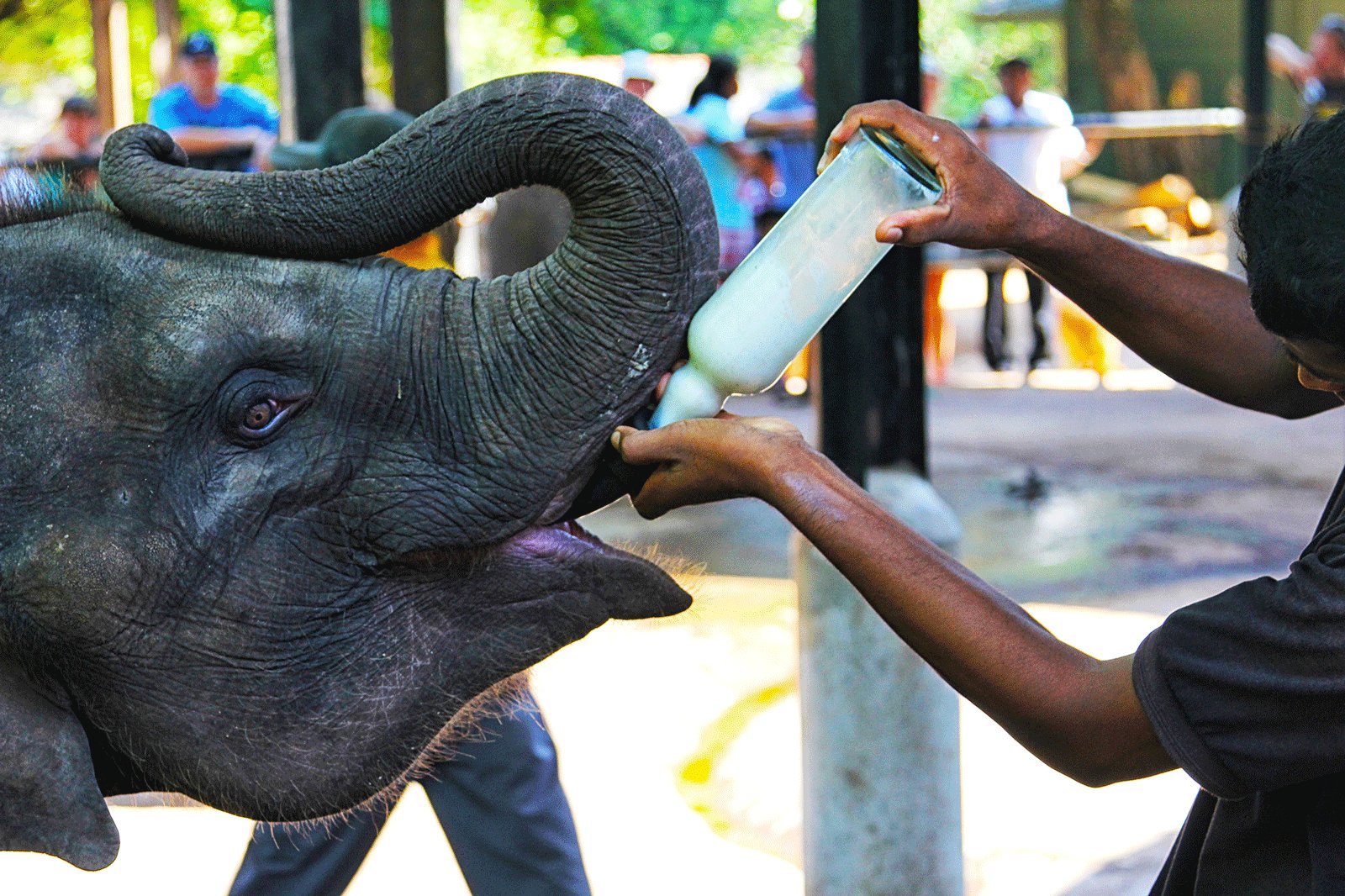
The bottle-feeding takes place in a small fenced enclosure adjacent to the main feeding ground, where the calves — generally between three months and two years old — are brought to a low wooden rail at visitor height. A keeper hands the participant a warmed glass bottle of milk and the calf takes the bottle's nipple in its trunk and drinks; a single bottle of one litre is consumed in roughly 30 seconds, with the calf sometimes reaching for a second. The whole interaction lasts perhaps a minute and a half but is consistently described by visitors as one of the most memorable moments of their entire Sri Lanka trip — the texture of the calf's trunk, the speed and force of the drinking, the calm presence of the keeper, the quiet curiosity of the calf at close range. The fee is paid at the small ticket window beside the enclosure (separate from the main park entry) and the queue moves quickly. It is open to children too, though a parent usually holds the bottle alongside.

🍼

Fee around LKR 250 per bottle — purchased at the enclosure

👨‍👩‍👧

Children can participate with a parent holding the bottle alongside

⏱️

Available only during feeding times — not all day

📷

Hand the camera to a friend — the photo is part of the experience

The Milk-Bottle Babies
Interactive
Bottle-feed a calf

9:45 AM & 1:45 PMProcessionThe walk to the river

The Herd Procession

The 400-metre walk from orphanage to river — viewable from the village street

The procession itself is the most extraordinary moment of the day for visitors choosing to watch from the village street rather than the river bank. The herd moves in a single relaxed column, the matriarchs and senior animals at the front, the calves usually toward the middle protected by attentive aunts, the bachelor males generally at the rear. The pace is unhurried — perhaps walking speed for a small child — and the column takes 8 to 10 minutes to pass any given point on the route. Spectators line the street several deep on both sides, separated from the herd by nothing more than a few metres of open road and the keepers' instructions to stay back. The proximity is genuinely remarkable: an adult elephant passing within arm's length, the soft pad of the feet, the rumbling vocalisations between the animals, the occasional glance of a curious calf. The procession is free to watch — no ticket required — and the village street offers a number of small cafes and shops at which to wait for the herd's return roughly an hour later. Many visitors find this the most memorable single moment of their Pinnawala visit, sometimes more so than the bath itself.

🆓

Free to watch from the village street — no park ticket needed

📍

Stand on the bath-time route for the closest possible view

⚠️

Stay behind keepers' lines — elephants pass within metres

🎥

Best footage is at the bend in the road just before the river

The Herd Procession
Procession
The walk to the river

Pinnawala Transfers

Time it for the morning bath

Pinnawala sits on the main Colombo–Kandy road, making it a natural half-day stop on most Sri Lanka itineraries. Ahangama Cabs runs transfers timed for the 10:00 AM bath from Colombo, the airport, the south coast and Kandy — the only way to be sure of arriving before the procession leaves the orphanage.

From Colombo

Pinnawala

2.5 hrs

From Airport

Pinnawala

2 hrs

From Kandy

Pinnawala

1 hr

From Ahangama

Pinnawala

4 hrs