Pigeon Island National Park

Weligama Taxi & Shuttles Number 01

Weligama Taxi & Shuttles Number 01

Hero Banner
Nilaveli · East Coast Marine Park

Sri Lanka's finest
coral reef

A 20-minute boat ride off the white sands of Nilaveli, Pigeon Island National Park is one of only two marine national parks in Sri Lanka and home to the country's most spectacular shallow coral reef — 300 species of fish, 100 species of coral, sea turtles, and the country's most reliable encounter with black-tip reef sharks in crystal-clear water rarely deeper than four metres.

Best Time to Visit

The east coast season is short — plan accordingly

May–Jun

Opens

Park reopens, fewer crowds

Jul–Aug

Peak

Best visibility & calmest seas

Sep

Tail

Still excellent, light crowds

Oct–Apr

Closed

Monsoon — park typically shut

Snorkel

Shallow inner reef, 1–4 m

Wildlife

Black-tip reef sharks & turtles

Reef

100+ species of coral

Island

Beach time & glass-bottom boat


Pigeon Island · 1.5–2 hrsSnorkel1–4 m depth

Snorkeling the Inner Reef

Sri Lanka's finest snorkeling — 300+ species of reef fish in crystal-clear water

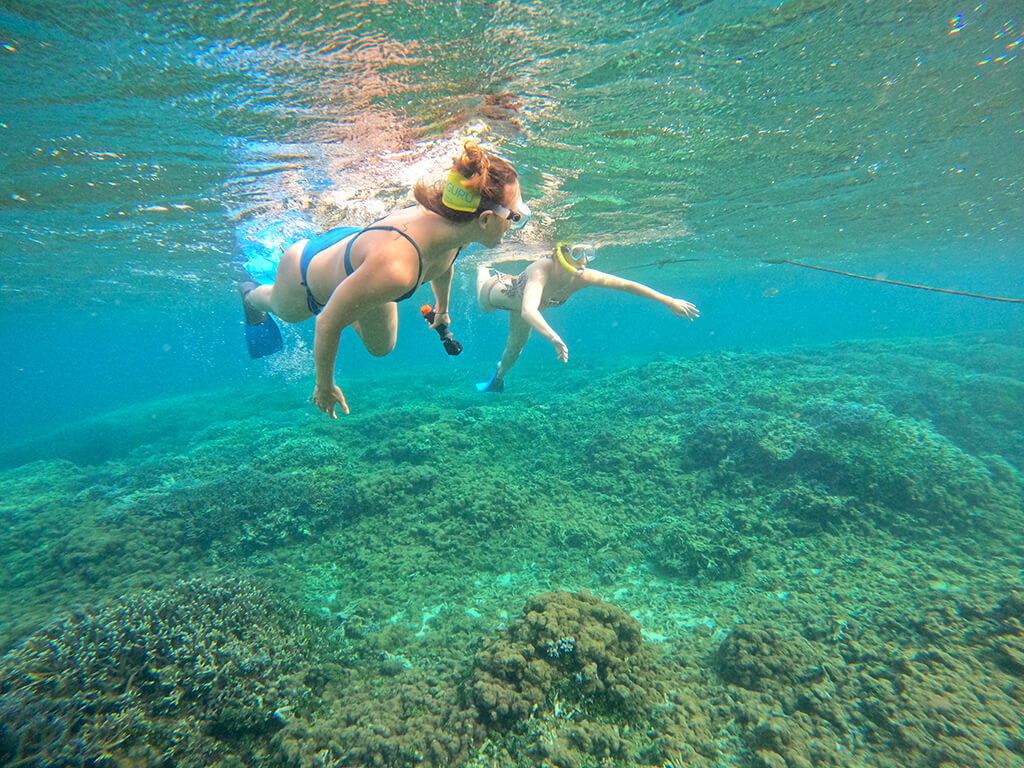
The standard Pigeon Island snorkeling experience begins with a short briefing on the boat ride out from Nilaveli — operators issue mask, snorkel and fins, point out the safe swimming zones and the protected coral areas, and explain the marine park's no-touch and no-feeding rules. Once on the island, the main snorkeling area is the sheltered lagoon directly off the main beach, where the water is rarely deeper than waist-high in the inshore zone and reaches a maximum of around 4 metres on the outer fringe of the inner reef. The variety of fish in this small area is extraordinary: parrotfish in extravagant blues and greens, surgeonfish, butterflyfish, angelfish, triggerfish, snappers, and the occasional barracuda or moray eel cruising the deeper margins. The water clarity routinely reaches 15 metres or more in the dry season, and the reef itself — corals of every form and colour — is visible from the surface even in the deepest sections. A 1.5 to 2-hour session is typical, with most operators allowing 90 minutes in the water plus time on the beach. The shallow inshore zone is genuinely safe for non-swimmers in life jackets, and many operators will keep an eye on first-timers.

🤿

Snorkel gear hire LKR 500–800 from the boat operators

🌅

Morning visits (before 10 AM) — clearer water, calmer wind

🚫

Strictly no touching coral or chasing marine life — heavily enforced

🛟

Life jackets available — non-swimmers welcome in shallow areas

Snorkeling the Inner Reef
Snorkel
1–4 m depth

Pigeon Island · The encounterWildlifeBlack-tip reef sharks

The Black-tip Reef Sharks

Sri Lanka's most reliable shallow-water shark encounter

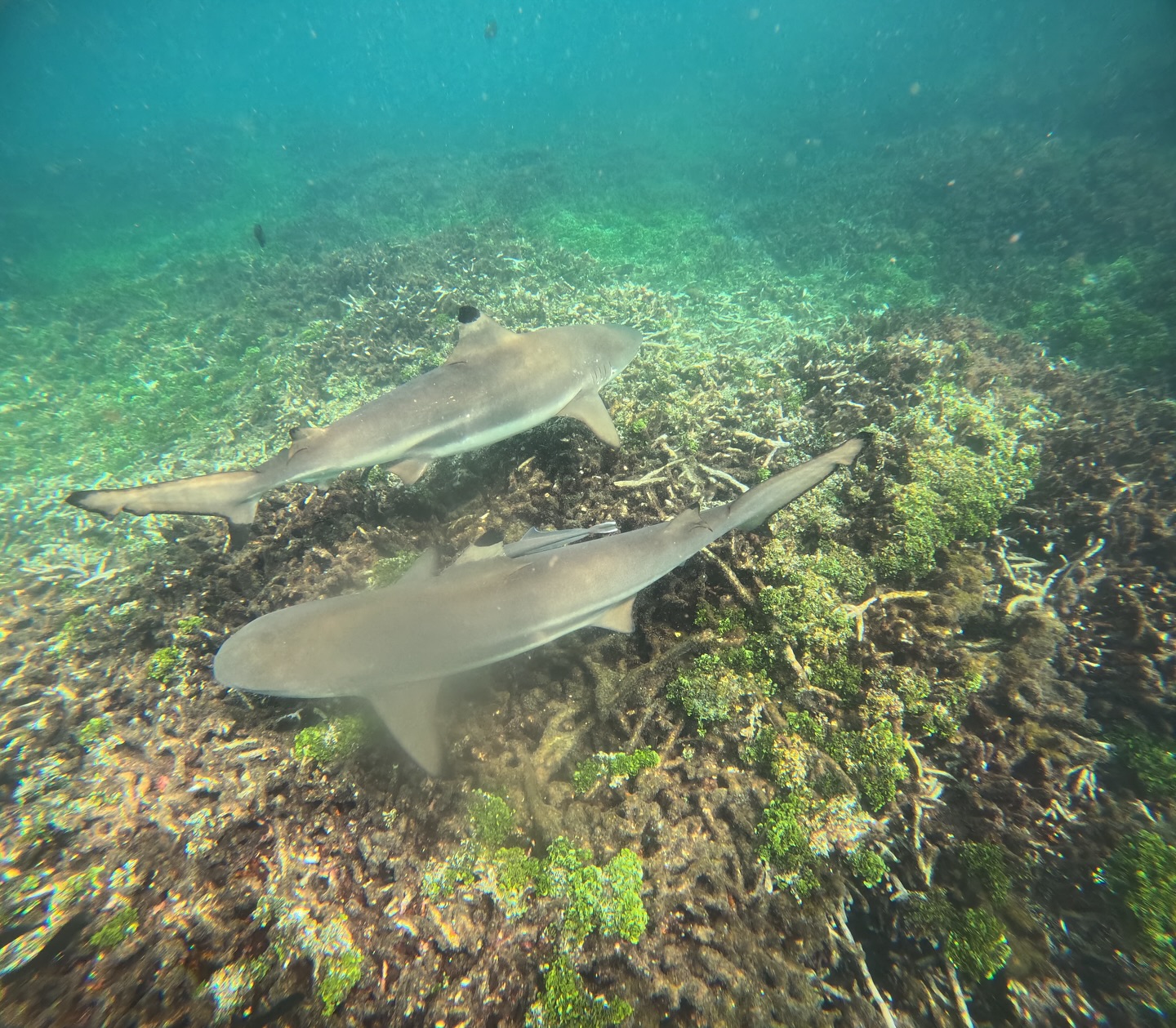
Black-tip reef sharks are the headline wildlife encounter at Pigeon Island and an experience that even nervous swimmers come away describing as a highlight rather than an ordeal. The species is small, shy and entirely uninterested in humans — there has never been a documented unprovoked attack on a swimmer or snorkeler at Pigeon Island, and the sharks reliably keep their distance, generally staying 5 to 15 metres from groups of snorkelers and moving away rather than approaching. The encounters typically happen in the slightly deeper water just beyond the inner reef, where pairs and small groups of three or four sharks patrol the sandy channels between coral heads. The best chance of an encounter is in the first 90 minutes after sunrise, when the water is at its clearest and the sharks are most active in the shallow zones; by mid-morning the encounters become less common as the sharks move to deeper water. Operators will not chase or bait the sharks, and visitors are reminded to maintain distance and avoid sudden movements. The sight of a black-tip reef shark in clear shallow water — backlit by the sun with the coral reef beneath — is one of the most extraordinary moments available to a snorkeler anywhere in South Asia.

🌅

Best chance: first boat of the day, before 9:00 AM

🦈

Black-tips are harmless — give them space and they'll come closer

📸

Underwater camera or GoPro essential for the moment

🏊

Hawksbill and green turtles also commonly seen alongside

The Black-tip Reef Sharks
Wildlife
Black-tip reef sharks

Pigeon Island · 100+ speciesReefCoral diversity

The Coral Gardens

Over 100 species of hard and soft coral spread across the inner reef

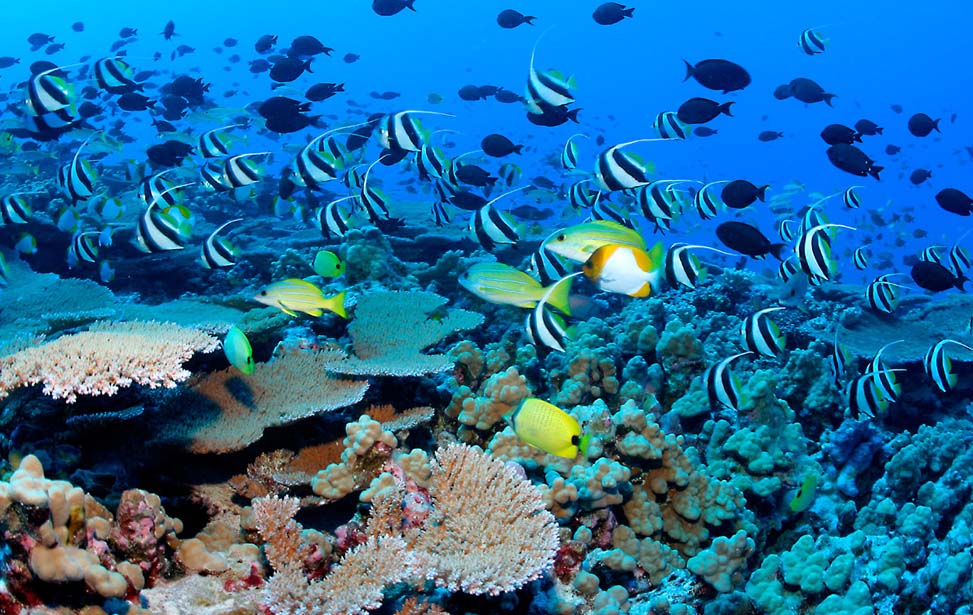
The reef structure at Pigeon Island is layered, with three distinct zones visible from the surface during a single snorkel session. Closest to the beach, the inshore zone is sandy with scattered coral heads and abundant fish — ideal for first-time snorkelers and a constant presence of small reef fish. The inner reef proper begins about 30 metres from shore and is the densest coral zone, with branching, table and boulder corals packed into a continuous structure that rises within a metre of the surface in places; this is where most of the fish life concentrates and where the experienced snorkeler will spend most of the session. Beyond the inner reef the bottom drops away to 4–6 metres on the outer fringe, where the coral structure becomes more dramatic and the soft corals begin to appear, swaying gently in the current. The reef has been the subject of ongoing restoration work — coral nurseries and replanting programmes run by the marine park authorities have helped accelerate the recovery from past bleaching events — and the no-touch rule is strictly enforced. Snorkelers who keep a metre off the coral and avoid kicking up sand will see the reef at its best.

🐠

Three reef zones in one session — inshore, inner, outer fringe

🐢

Sea turtles routinely seen grazing in the seagrass areas

🧴

Reef-safe sunscreen only — chemical sunscreens damage coral

🦵

Avoid kicking the reef — keep fins horizontal in shallow zones

The Coral Gardens
Reef
Coral diversity

Pigeon Island · Day tripIslandBoat + beach time

The Boat Trip & Island Beach

A 20-minute crossing from Nilaveli and a small white-sand island beach

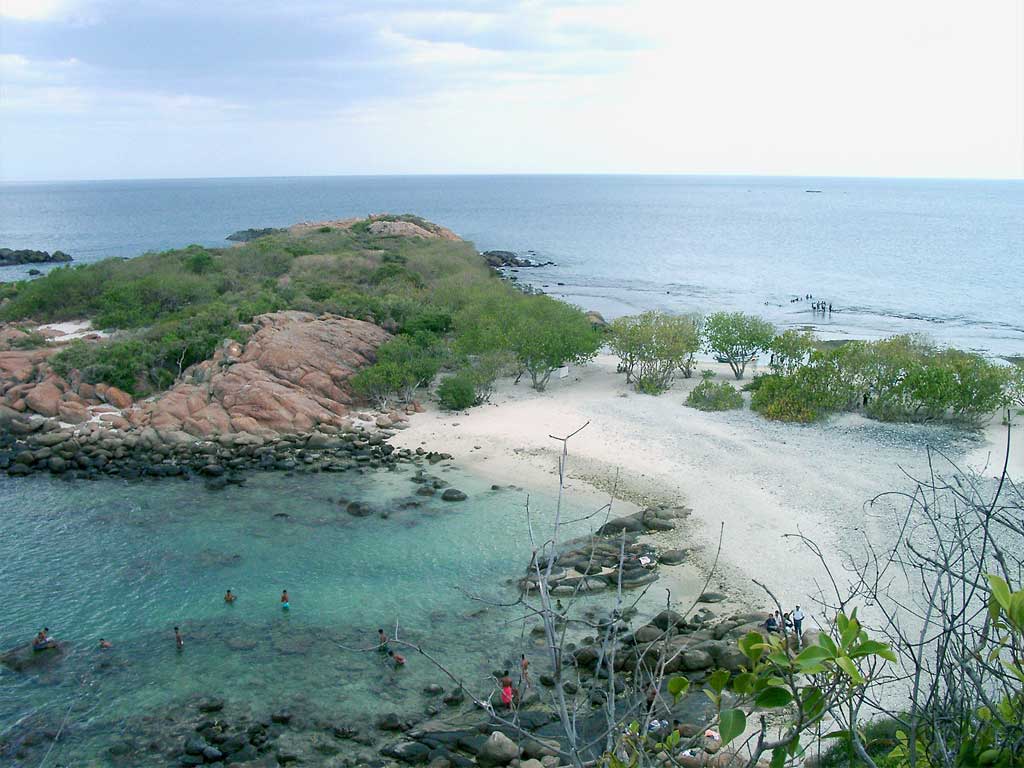
Boats depart Nilaveli from around 8:00 AM, with the most popular slot being the first run of the day around 8:30. The crossing itself is part of the appeal — a 20-minute ride in an outrigger or fibreglass open boat across water that becomes progressively bluer and clearer as the coast recedes — and on calm days, dolphins are occasionally seen along the route. Arrival on the island is via a short scramble from the boat to the beach: there is no jetty, and visitors should be prepared to step off into knee-deep water. The main beach is a small crescent of bright white coral sand on the western side of the island, with shaded areas at the back and a continuous strip of clear shallow water for swimming and resting between snorkel sessions. The island itself — a low, scrub-covered outcrop of granite no more than 200 metres across — also gives the park its name through the rock pigeons that nest in the cliffs on its eastern side. Most operators run a half-day excursion of 4 to 5 hours, with two snorkel sessions broken by an hour of beach time. Glass-bottom boat tours are also available for non-swimmers and small children, providing reef views without entering the water.

Boat hire LKR 6,000–9,000 for up to 6 people, half-day

🎫

National park entry around USD 12 per adult, payable at jetty

🥾

Reef shoes useful — coral fragments on the beach

🍱

Bring water and snacks — no shops or facilities on the island

The Boat Trip & Island Beach
Island
Boat + beach time

East Coast Transfers

We get you to Nilaveli in time for the morning boat

The first boats leave Nilaveli around 8:00 AM and the first run of the day offers the clearest water and the best chance of shark encounters. Ahangama Cabs runs transfers to Nilaveli and Trincomalee from the south coast, Colombo, the airport and the Cultural Triangle — including overnight options for the longer routes.

From Colombo

Nilaveli

6 hrs

From Sigiriya

Nilaveli

3 hrs

From Kandy

Nilaveli

4.5 hrs

From Ahangama

Nilaveli

8 hrs